
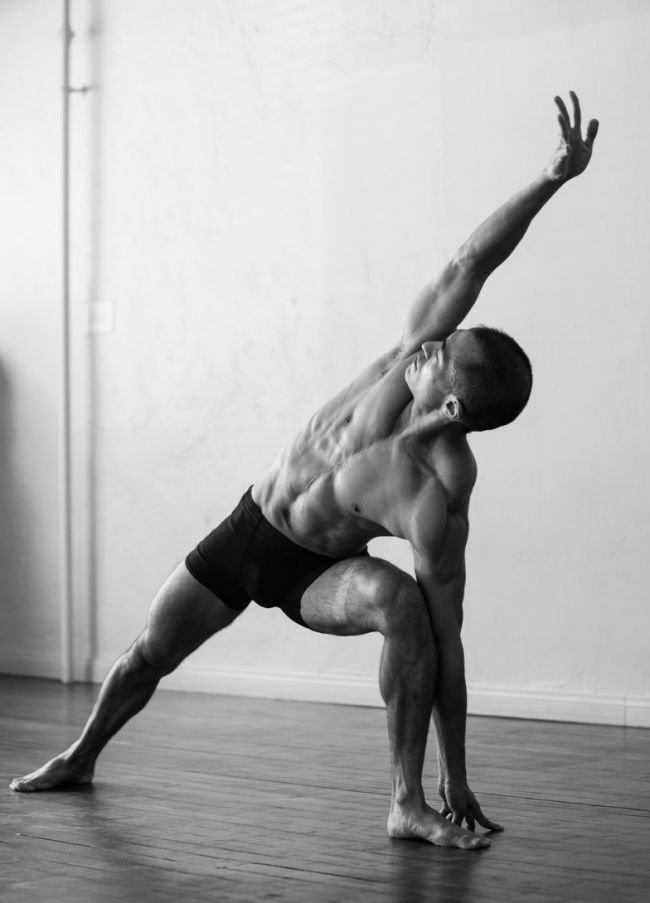

In fitness, people often use the words mobility and flexibility as if they mean the same thing. They don’t. And understanding the difference can completely change how your body moves, feels, and performs in the gym.
Many injuries, stiffness issues, and even strength plateaus happen not because someone isn’t strong enough, but because their body doesn’t move well.
That’s where mobility and flexibility come in.
They work together — but they are not the same thing.
Let’s break this down in a simple, practical way.
What Flexibility Really Means
Flexibility is the ability of a muscle to stretch.
For example:
- Touching your toes stretches your hamstrings.
- Pulling your arm across your body stretches your shoulder.
- Doing a quad stretch lengthens the front of your thigh.
Flexibility is mostly about muscle length.
When muscles are tight, movement becomes restricted. You might feel stiffness when bending, reaching, or squatting. This often happens after long periods of sitting, lack of movement, or repetitive daily habits.
Stretching improves flexibility by gradually teaching muscles to relax and lengthen.
That’s why stretching often feels relieving after workouts or at the end of the day.
But flexibility alone doesn’t guarantee good movement.
You can be flexible and still struggle with control or stability.
That’s where mobility becomes important.
What Mobility Actually Means
Mobility is the ability of a joint to move freely through its full range of motion with control.
Notice the difference: mobility isn’t just about stretching muscles — it’s about movement control.
Mobility depends on several things working together:
- Muscles
- Joints
- Tendons
- Nervous system
- Strength through movement
For example:
- A deep squat requires hip mobility, ankle mobility, and core stability.
- Overhead pressing requires shoulder mobility and upper-back control.
- Lunges require hip mobility and balance.
Mobility is basically strength inside flexibility.
This is why mobility training often includes controlled movements rather than just static stretching.
Why People Confuse Mobility and Flexibility
Both involve movement and both reduce stiffness, so they’re easy to mix up.
But here’s a simple way to understand it:
Flexibility = passive muscle stretch
Mobility = controlled joint movement
You might be able to stretch your hamstrings while sitting, but still struggle to bend properly during a deadlift.
That’s a mobility limitation, not just flexibility.
The body needs both.
How Poor Mobility Affects Gym Performance
Limited mobility quietly affects many exercises.
Common examples include:
- Heels lifting during squats (ankle mobility issue)
- Lower back rounding during deadlifts (hip mobility issue)
- Difficulty raising arms overhead (shoulder mobility issue)
- Knees collapsing inward (hip stability issue)
When mobility is limited, the body compensates. Over time, compensation can lead to discomfort or injury.
Sometimes people think they are “not strong enough,” when the real problem is restricted movement.
Improving mobility often makes exercises feel smoother and more natural.
Why Flexibility Alone Isn’t Enough
Some people stretch regularly but still feel stiff during workouts.
This happens because flexibility without strength doesn’t always translate into usable movement.
For example, someone might stretch their hips daily but still struggle with squats because they lack control in that range of motion.
Mobility training solves this by combining:
- movement
- stability
- strength
- coordination
This is why dynamic warm-ups often work better than long static stretching before workouts.
The Role of Mobility in Injury Prevention
Mobility helps distribute movement evenly across the body.
When joints move properly:
- muscles work more efficiently
- stress is shared correctly
- posture improves
- balance becomes easier
This reduces strain on specific areas like the lower back, knees, and shoulders.
Mobility doesn’t make you invincible, but it makes movement safer.
And safer movement allows more consistent training.
Signs You May Need Mobility Work
You might benefit from mobility training if:
- squats feel uncomfortable or unstable
- shoulders feel tight during pressing movements
- you experience frequent muscle tightness
- balance feels difficult
- posture feels stiff after sitting
- certain exercises feel awkward despite practice
These are common signs that joints aren’t moving freely.
Simple Ways to Improve Mobility
Mobility doesn’t require complicated routines. Even 10 minutes regularly can make a difference.
Examples include:
- Deep squat holds
- Hip openers
- Shoulder circles
- Cat-cow spine movement
- Walking lunges
- Resistance band mobility drills
Slow, controlled movement is more important than intensity.
Mobility improves gradually, just like strength.
How Mobility and Flexibility Work Together
Think of flexibility as range of motion, and mobility as control within that range.
Flexibility allows movement.
Mobility controls movement.
Together, they make exercise feel smoother, safer, and stronger.
This is why good warm-ups usually include both stretching and movement drills.
The Long-Term Benefit
Mobility training often feels less exciting than lifting weights or doing intense workouts. But over time, it becomes one of the most valuable habits in fitness.
People who maintain good mobility:
- move better
- recover faster
- experience fewer injuries
- maintain strength longer
- feel less stiffness with age
Mobility supports training the same way recovery and nutrition do.
Quietly — but powerfully.
Final Thought
Strength makes movement powerful.
Flexibility makes movement possible.
Mobility makes movement efficient.
Ignoring mobility can limit progress even when workouts and diet are correct.
But improving mobility doesn’t require hours of stretching or complicated routines — just consistent, intentional movement.
And sometimes, moving better is exactly what allows you to become stronger.