
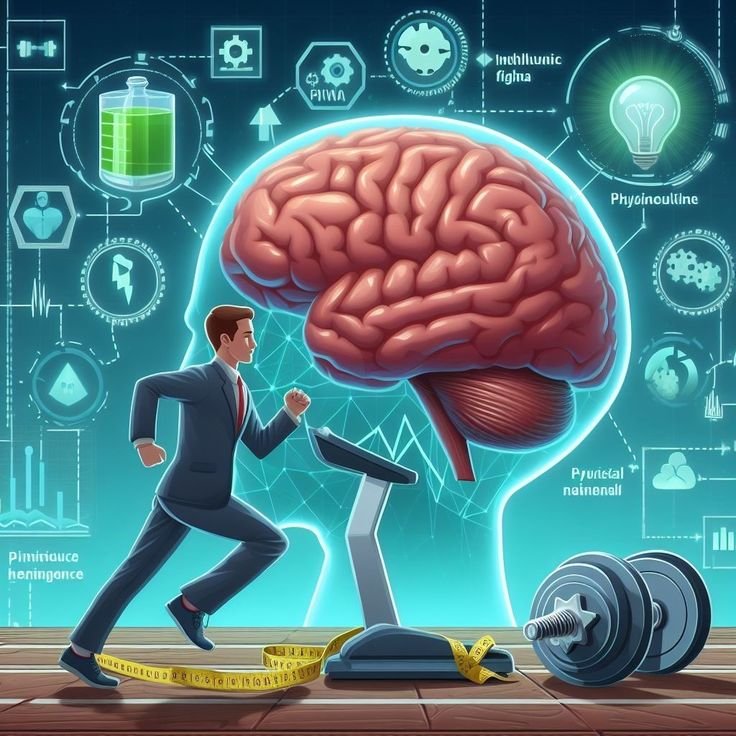

Most people start fitness for physical reasons. They want to lose weight, gain strength, or look better. But over time, many notice something else changing — their mood, stress levels, and overall mental state start to improve.
Fitness is not just about the body. It plays a quiet but powerful role in mental health too.
Everyday Stress and the Mind
Modern life is busy. Work pressure, long screen time, lack of sleep, and constant thinking leave many people mentally tired. Even on days when nothing major goes wrong, the mind feels heavy.
Exercise helps break this cycle. When you move your body, your attention shifts away from stress and towards the present moment. This simple shift can bring a sense of relief.
How Exercise Supports Mental Health
Physical activity helps the body release tension. Muscles relax after movement, breathing becomes deeper, and the mind starts to slow down.
Regular exercise can help:
- Reduce daily stress
- Improve mood
- Increase focus
- Build emotional balance
These benefits don’t come from one workout. They build slowly with consistency.
You Don’t Need Intense Workouts
A common mistake is thinking that only hard workouts help mental health. That’s not true.
Simple activities like walking, stretching, yoga, light gym workouts, or playing a sport are enough. What matters is doing something regularly.
For many people, a daily walk does more for mental health than an intense workout done once in a while.
Building Routine Through Fitness
Mental health improves when life has structure. Fitness helps create that structure.
Having a fixed time to move your body gives your day a sense of balance. Even on low-energy days, showing up for a short session builds confidence and stability.
This routine becomes a form of self-care.
Fitness and Better Sleep
Sleep and mental health are closely connected. Lack of movement often leads to poor sleep, which affects mood and focus.
Regular physical activity helps regulate sleep. People who stay active during the day usually fall asleep faster and wake up feeling more refreshed.
Better sleep makes it easier to handle stress and emotions.
Confidence Grows With Movement
Fitness is not about being perfect. It’s about progress.
As you stay consistent, you start trusting yourself more. You feel stronger, more capable, and more in control. This confidence carries over into daily life and improves mental well-being.
Be Kind to Yourself
Some days will feel harder than others. Skipping a workout doesn’t mean you’ve failed.
Mental health improves through patience, not pressure. Small efforts count. Even ten minutes of movement is better than none.
Final Thoughts
Fitness is one of the simplest tools for supporting mental health. You don’t need extreme routines or strict plans.
Move your body in a way that feels good. Stay consistent. Let fitness support not just your physical health, but your peace of mind too.
Your body and mind work together — take care of both.